


Bug Repellent Plants for Patio, Garden & Pots
- Apr 29
- 6 min read
Updated: Jun 11
I don’t know about you, but I get tired of bugs ruining a perfectly good evening outside—especially on the patio.
And honestly, I don’t want to fog my whole yard with chemicals just to drink coffee outside without getting eaten alive.
So I started looking into bug repellent plants that naturally help keep bugs away—and some of them actually work way better than I expected.
What I didn’t realize at first though is that placement matters almost more than the actual plant.
It’s not just what you plant—it’s where you put it that makes the biggest difference.
So I’m going to show you the ones that work best and how I’d actually use them around a patio, garden, or even in pots.
Plant | Helps Deter | Best Location | Grows Well in Pots |
Lemongrass | Mosquitoes | Patios & seating areas | Yes |
Lavender | Mosquitoes & flies | Sunny patios | Yes |
Basil | Mosquitoes | Near doors & outdoor dining spaces | Yes |
Mint | Mosquitoes & ants | Containers near seating areas | Yes |
Marigolds | Various garden pests | Garden borders & containers | Yes |
How Bug-Repelling Plants Actually Work
Before I get into the plants, this part actually helped me understand why some things work… and some don’t.
Mosquitoes are basically hunting you down by scent.
Which is annoying honestly.
They pick up on things like:
body heat
sweat
breath
and strong scents around you
That’s why strong-smelling plants can actually help confuse them a little.
So when you have strong-smelling plants nearby, it kind of throws them off.
That’s why just planting these in a random flower bed across the yard doesn’t do much—you want them close to where you’re actually sitting.
If you’re looking for bug repellent plants for your patio, garden, or even pots, these are the ones that actually made a difference for me.
If you’re trying to use bug repellent plants for your patio, garden, or pots, placement matters way more than people think.
Lemongrass (The Closest Thing to Natural Bug Spray)
Out of everything on this list, lemongrass is probably the one I notice the biggest difference with.
It has citronella in it (same stuff they put in candles), and it gives off that strong citrus smell bugs don’t like.
From what I’ve seen, this works best when you don’t just have one plant sitting off to the side.
If I was setting up a patio, I’d use a couple of these in pots around where people are sitting
It doesn’t kill bugs—but it makes it a lot harder for them to find you.
A couple things to know before planting it:
• it loves full sun
• grows pretty big
• and does really well in containers
If you only plant one thing from this list, this would probably be it.
Basil (Underrated but Effective)
I originally planted basil for cooking and didn’t even realize it helped with bugs too.
I always thought of it as just a kitchen herb, but it actually helps keep flies and mosquitoes away too.
The nice thing is—you don’t have to mess with it much. It just naturally gives off a scent bugs don’t like.
I’d keep this one near doors, on an outdoor table or even by windows.
And bonus… you can actually use it for cooking, so it’s not just sitting there looking pretty.
Lavender (Low Maintenance + Multi-Purpose)
Lavender is probably my favorite if you want something that looks good AND actually serves a purpose.

It smells good, looks good, and helps keep bugs away.
I like this one more for the “overall feel” of a space.
If you line a walkway or put a couple near your seating area, it just makes everything feel more put together.
And if bugs are really bad, you can rub or crush a little bit of it to release more of the oils—that actually makes a difference.
If you’ve got a super sunny area that gets hammered with bugs, this one does really well there.
If you're working on creating a more enjoyable outdoor space, you might also enjoy my post Cozy Backyard Ideas That Make Your Patio Look Expensive
Marigolds (Garden Protection Powerhouse)
Marigolds are one of the easiest wins when it comes to bug control.

These are one of the easiest bug repellent plants for a garden.
If you’ve got a garden, I’d definitely add these around the edges.
But they also work really well in pots near patios or entryways.
They’re low effort, super bright, and honestly one of the strongest options on this list.
Mint (Fast-Growing Bug Barrier)
Mint is one of the easiest plants to grow—and one of the strongest smelling.

And that strong scent is exactly why bugs don’t like it.
I’ve noticed this one works best when it’s close to where you’re actually sitting, not off in a garden somewhere.
I’d keep mint in a pot on a patio or near a seating area where bugs tend to be worse.
One thing to know—mint spreads like crazy if you plant it in the ground. So I always stick with containers.
If bugs are bad, you can crush a few leaves and it makes the smell even stronger, which helps.
Petunias (Pretty but Powerful)
Petunias are one of those plants people usually pick just because they look good—but they actually help with bugs too.

They give off compounds that repel some of the more annoying garden pests.
I like these more for placement around the edges of a space.
I use them in hanging baskets near doors, window boxes or along the edge of my patio.
They’re not the strongest repellent on this list, but they’re an easy add that still helps—and they make everything look better.
Bee Balm (Balance Your Garden Naturally
Instead of just repelling everything, bee balm helps create a better balance in your yard.

It attracts good insects like bees and butterflies, while still helping discourage some of the pests you don’t want.
It’s a good option if you’re trying to make your yard feel more natural instead of just blocking bugs completely.
So this one isn’t about keeping everything away—it’s about creating a space where the good stuff shows up and the bad stuff doesn’t take over.
This Is Where People Mess Up
This is where I think most people go wrong with these…
They plant one or two somewhere in the yard and expect it to fix everything.
Usually they’re too spread out to actually make much difference.
What I’ve found works better is:
• grouping a few together
• keeping them close to where you sit
• and using pots on patios or decks
Once you do that, you actually start noticing a difference.
My Favorite Combination
Over the years, I've found that combining several bug-repellent plants works better than relying on just one. A mix of lavender, basil, and lemongrass around a patio creates a beautiful display while helping make outdoor spaces more enjoyable during warmer months. I especially like using containers because they can be moved wherever they're needed most.

If I was putting together a simple setup for a patio or backyard sitting area, this is probably what I’d start with:
• 2 lemongrass plants (main barrier)
• 2 lavender plants (for around the space)
• 1 mint or basil near where you sit
• a couple marigolds around the edges
You don’t need a ton—you just need the right placement.
Frequently Asked Questions
Do bug-repellent plants really work?
Many gardeners use these plants to help reduce bugs around patios and outdoor spaces. While they won't eliminate insects completely, they can be a helpful addition to your outdoor setup.
What is the best plant for mosquitoes?
Lemongrass is one of the most popular options because it contains citronella oils often associated with mosquito deterrence.
Can I grow these plants in containers?
Yes. Most of the plants mentioned in this guide grow well in containers, making them a great choice for patios, porches, and balconies.
Do I still need bug spray?
These plants can help create a more enjoyable outdoor space, but they work best when combined with other mosquito-control methods.
Even this setup alone can make your patio feel way more usable.
These obviously aren’t going to completely eliminate bugs.
If mosquitoes are terrible where you live, you’ll probably still need sprays, candles, or other stuff sometimes.
But I HAVE noticed a difference when these are planted close to seating areas, patios, doors, and places people actually hang out.
Especially when you group a few together instead of randomly planting one somewhere in the yard.
Honestly, even making your outdoor space slightly more comfortable is worth it to me.
My Go-To Products for Bugs & Ticks
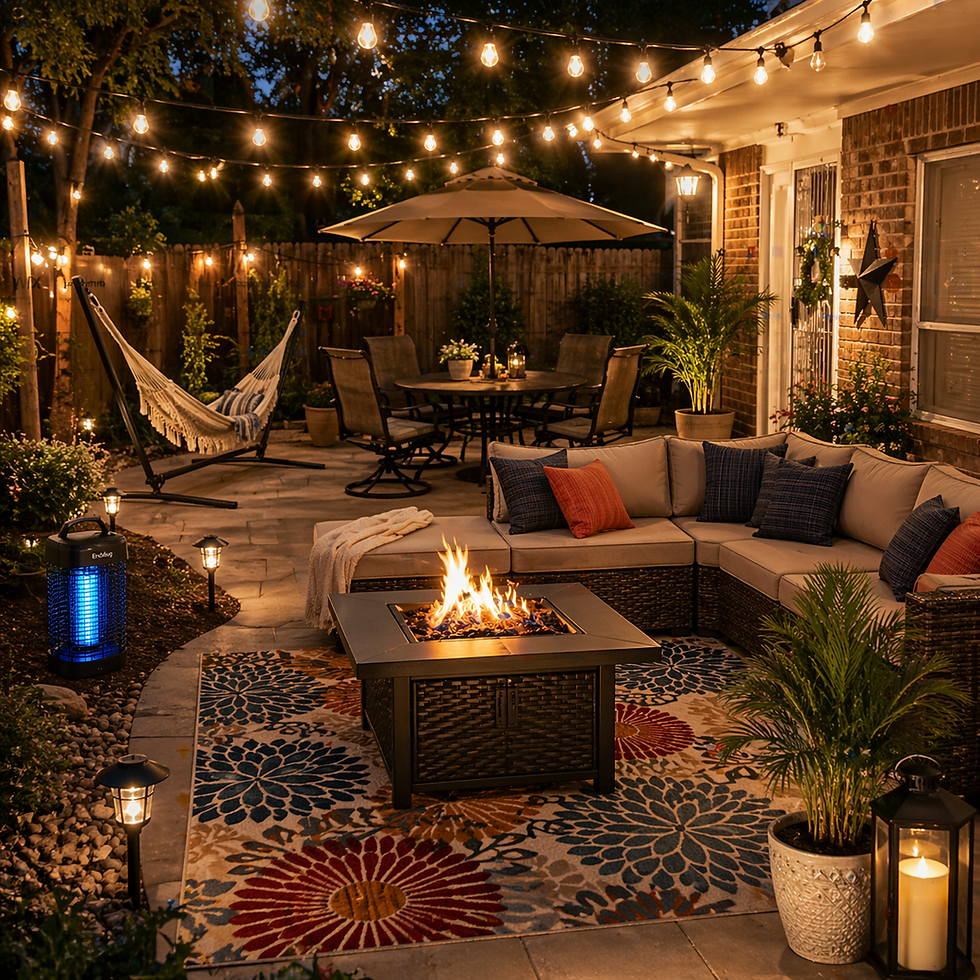
If the plants aren’t cutting it on their own, this is what I personally use to help keep bugs and ticks under control—especially during the worst months.


Comments